Apr
5
11:00 AM11:00



Don’t miss out!





Don’t miss out!




The field spot is a creamy spot on the outside, and it’s where the watermelon was resting on the ground. The field spot should be a yellowish creamy color.
A shiny appearance indicates an under-ripe melon. This applies to honeydew melons too.
Your knuckles should bounce off the melon, and the surface should be pretty hard/firm. You will get a dull thud if the flesh is soft, which indicates it’s starting to spoil.
This applies to pretty much all produce, but you want to pick the watermelon that is the heaviest one for its size. That means there’s more water in it.
Some watermelons are round, some are oval, and either is fine. But if there are irregular bumps, this indicates the melon may have gotten inconsistent amounts of sun or water.
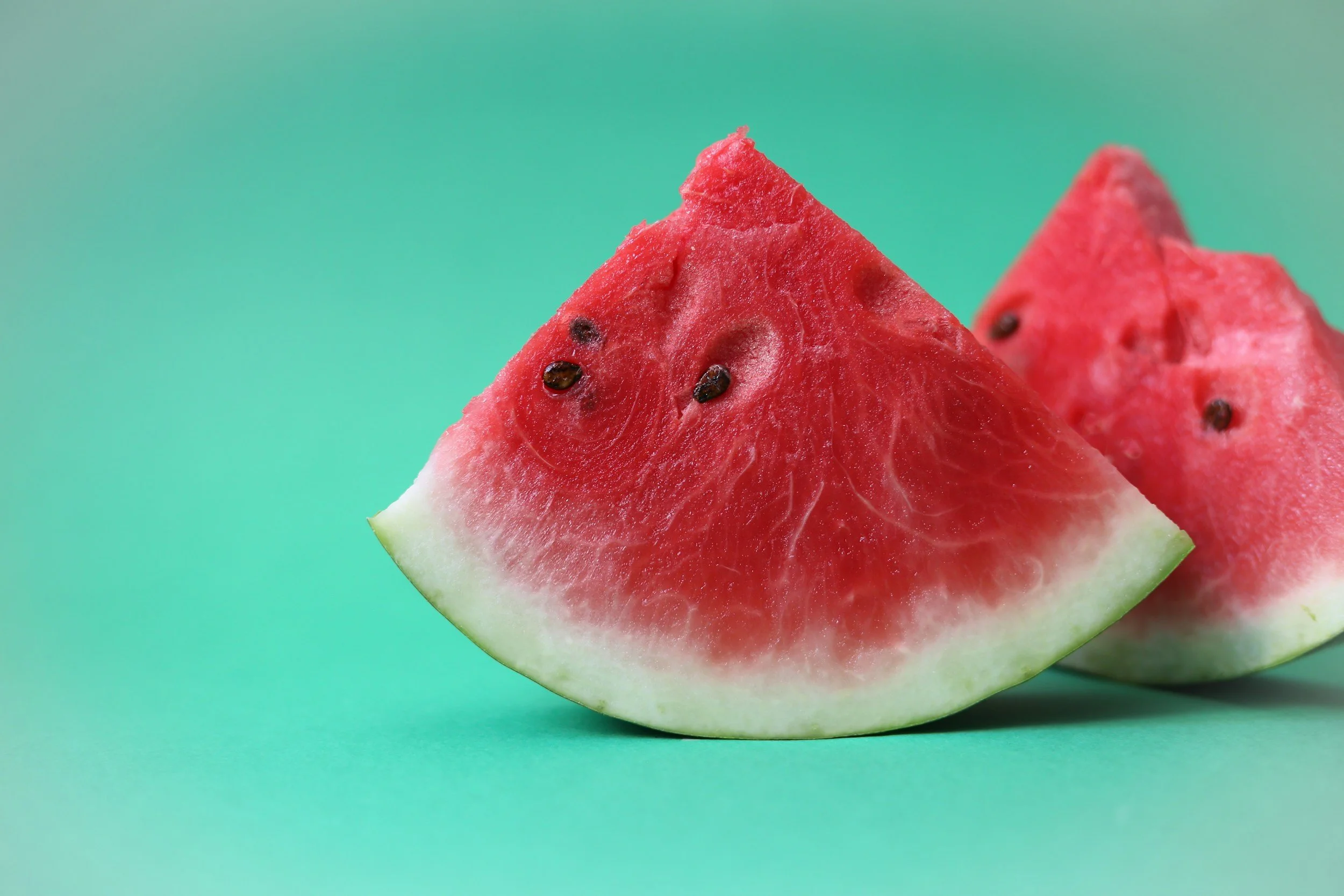
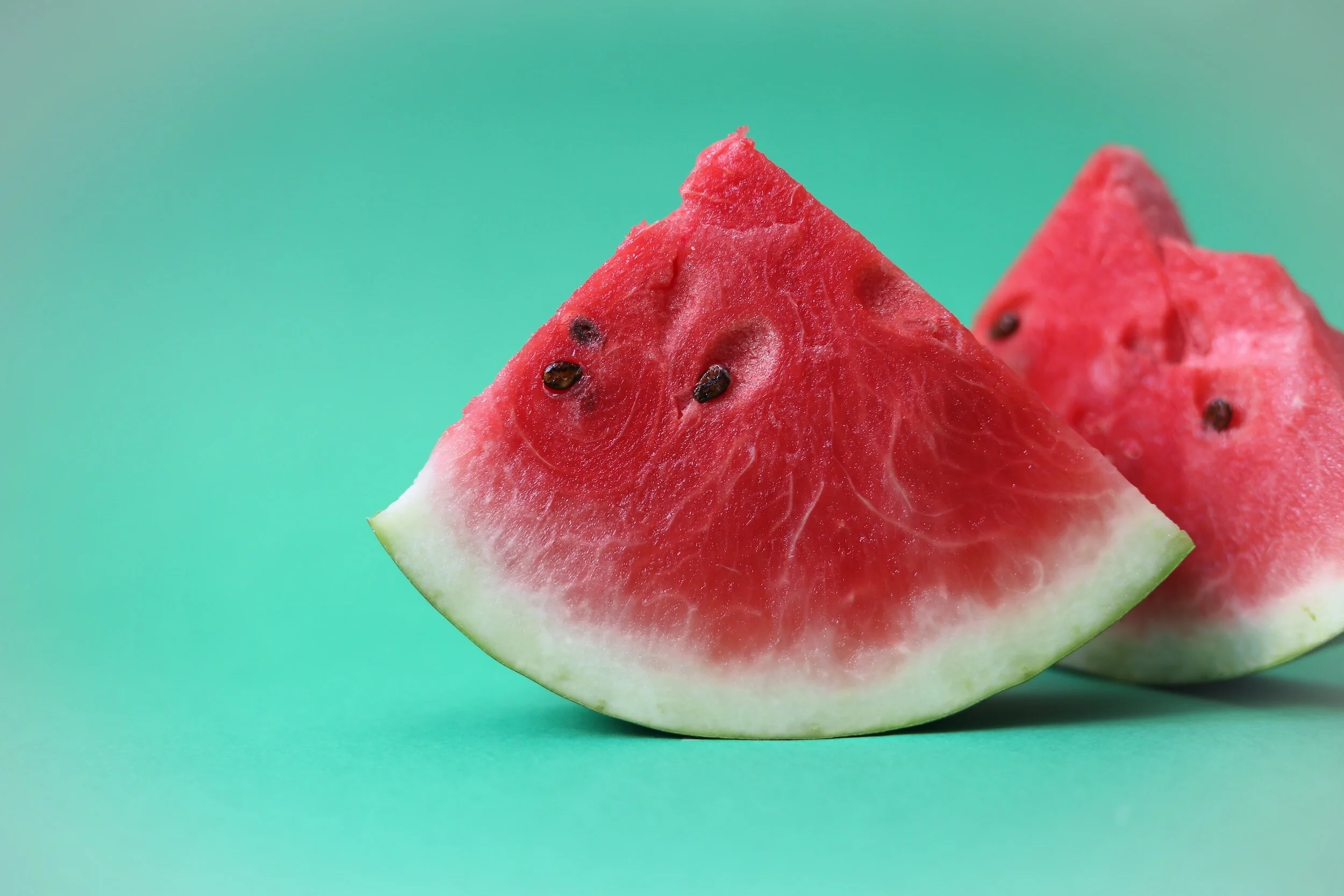
If you see black spots on the melon, this is where sugar is seeping out and indicates a sweet melon. Also, if you see dots in a line (not a scratch), these are pollination points, and the more of them the better.
Visit Fifteen Spatulas for more info!

Fresh Corn from the Farmers’ Market
Corn on the cob is one of summer’s simple pleasures, the one vegetable side that we can’t get enough of when it's in season—when it’s cooked properly that is. That’s right: Like many simple things, people do a pretty good job of screwing it up. Learning how to boil corn the right way, so that each kernel is bright and juicy and ready to burst with flavor, is one of the keys to having a good summer. You want to have a good summer? So do we.
Let’s get to it. How long do you have to boil corn? Well, it depends entirely on the quality of corn that you’re working with. Are you looking at ears of freshly-picked local corn from the farmers’ market or a roadside stand, or corn from the grocery store that was picked a bit ago and traveled in the back of a truck? Get a big ol’ pot of water on to boil and allow us to explain.
See, when fresh corn is at its best, we want to keep it that way, preserving every bit of natural sweetness. When we get extremely fresh local corn, we do this by not cooking it aggressively. All we want to do is heat up the kernels, softening them slightly and making them even more flavorful, but retaining that healthy, juicy pop. So when it comes to boiling fresh corn, the stuff you’d pick up at the farmers’ market, you should only boil it for 2-3 minutes. It doesn’t need any more than that. Promise.
Visit Bon Appetit for more info!

Click here for more information on OPEN certified farmers’ markets!


The field spot is a creamy spot on the outside, and it’s where the watermelon was resting on the ground. The field spot should be a yellowish creamy color.
A shiny appearance indicates an under-ripe melon. This applies to honeydew melons too.
Your knuckles should bounce off the melon, and the surface should be pretty hard/firm. You will get a dull thud if the flesh is soft, which indicates it’s starting to spoil.
This applies to pretty much all produce, but you want to pick the watermelon that is the heaviest one for its size. That means there’s more water in it.
Some watermelons are round, some are oval, and either is fine. But if there are irregular bumps, this indicates the melon may have gotten inconsistent amounts of sun or water.
If you see black spots on the melon, this is where sugar is seeping out and indicates a sweet melon. Also, if you see dots in a line (not a scratch), these are pollination points, and the more of them the better.
Visit Fifteen Spatulas for more info!